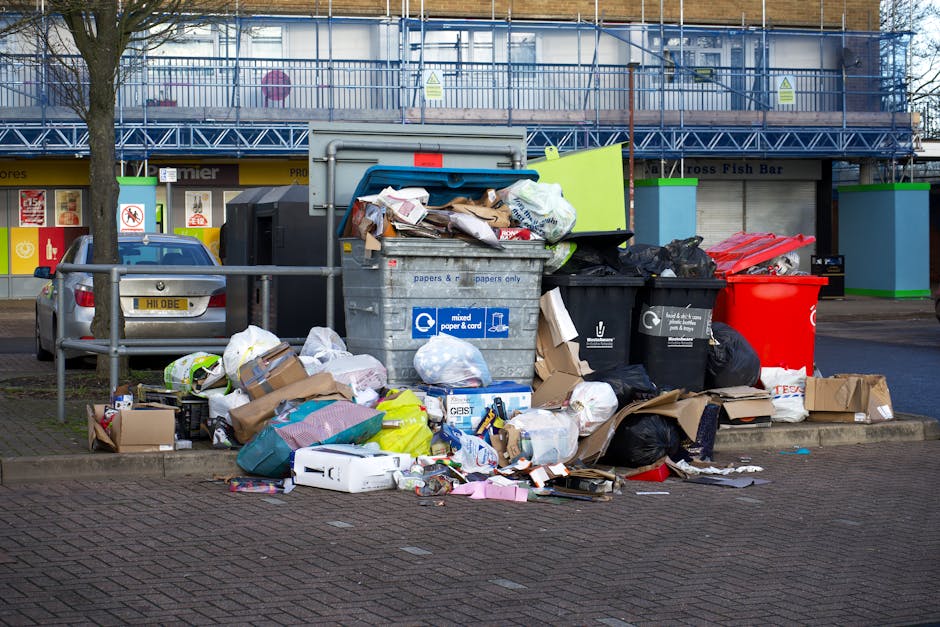
Near West Drayton Station: quick rubbish disposal tips
If you need to clear rubbish quickly near West Drayton Station, the challenge is usually less about effort and more about timing, access, and what can be removed safely in one go. A few bags of mixed waste can turn into a frustrating half-day if you do not plan the order of events. The good news? With a simple system, you can make fast progress without creating extra mess, delays, or avoidable costs.
This guide explains how Near West Drayton Station: quick rubbish disposal tips can help you deal with household clutter, office waste, furniture, light builders' rubbish, or general junk in a more organised way. You will find practical steps, comparison points, safety guidance, and a checklist you can use straight away. If you are also deciding whether to use a service, it may help to look at a broader waste removal service or a more specific option such as furniture disposal depending on the type of load.
Near a busy station, the best approach is usually the one that keeps walkways clear, loading time short, and sorting decisions simple. That sounds obvious, but in practice it is where most people lose time. Let's make it easier.
Table of Contents
- Why Near West Drayton Station: quick rubbish disposal tips Matters
- How Near West Drayton Station: quick rubbish disposal tips Works
- Key Benefits and Practical Advantages
- Who This Is For and When It Makes Sense
- Step-by-Step Guidance
- Expert Tips for Better Results
- Common Mistakes to Avoid
- Tools, Resources and Recommendations
- Law, Compliance, Standards, or Best Practice
- Options, Methods, or Comparison Table
- Case Study or Real-World Example
- Practical Checklist
- Conclusion
- Frequently Asked Questions
Why Near West Drayton Station: quick rubbish disposal tips Matters
Station-adjacent areas tend to be busy, compact, and less forgiving of clutter than quieter residential streets. If rubbish is left in piles for long, it can block paths, attract complaints, and make loading awkward for everyone involved. That matters whether you are clearing a flat, moving furniture, emptying a garage, or tidying after works.
There is also a timing issue. When you are close to transport links, parking windows, access routes, and neighbour movement can all affect how smoothly a clearance goes. A well-planned disposal job reduces the chance of repeated trips. It also helps you avoid leaving a trail of bags, boxes, and broken items around the property while you figure out what goes where.
Quick rubbish disposal is not only about speed. It is about controlled speed. You want to remove waste efficiently, but you still need to sort items properly, protect shared spaces, and choose the right route for anything reusable, recyclable, bulky, or hazardous. For a lot of people, that balance is the difference between a tidy clearance and a stressful one.
If you are clearing a larger space, such as a whole property, you may find a dedicated home clearance or house clearance option more efficient than trying to handle everything as loose mixed rubbish.
How Near West Drayton Station: quick rubbish disposal tips Works
The process is straightforward when you break it into stages. First, identify what you have. Then separate what can be reused, recycled, donated, or disposed of. After that, match the waste type to the right method of removal. It sounds basic, but this is where speed comes from: fewer decisions at the point of collection.
For example, a stack of old office chairs, a broken desk, and a few bags of paper should not all be treated the same way. Office furniture often needs a different disposal route from mixed waste, and paper or card can usually be separated to keep the load lighter. If your premises are commercial, a focused office clearance or business waste removal arrangement can save a lot of manual sorting later.
In practical terms, quick rubbish disposal near West Drayton Station usually works best in one of three ways:
- Self-sort and self-carry for small loads and light items.
- Pre-booked collection for bulky, mixed, or time-sensitive rubbish.
- Task-specific clearance for furniture, builders' waste, garden waste, or property clear-outs.
The key is to avoid deciding on the day without a plan. A few minutes of prep can save an hour of awkward lifting and re-sorting. To be fair, that is often the difference between a quick job and a job that mysteriously becomes "all weekend".
Key Benefits and Practical Advantages
When you use a simple, structured disposal approach, the benefits show up immediately.
- Faster turnaround: You spend less time moving the same items around.
- Cleaner premises: Less waste sitting indoors, in hallways, or near entrances.
- Lower handling stress: A sorted load is easier to move safely.
- Better recycling potential: Recyclables are more likely to stay separate from general waste.
- Fewer access issues: Loading is simpler when items are grouped by type and size.
There is also a decision-making advantage. Once you understand the load, you can choose the right disposal method instead of overpaying for the wrong one. A single sofa is a different job from a garage full of mixed clutter. Likewise, a few cartons of broken packaging are not the same as a full builders' clear-out. If you want to reduce waste overall, it is worth reading about recycling and sustainability before you start. It often changes what you keep separate.
Another practical benefit is reputation and neighbour relations. Near a station, people notice if waste is blocking access or left too long. Quick, tidy removal helps keep things calm, which is useful for landlords, agents, businesses, and anyone handling a property handover.
Who This Is For and When It Makes Sense
This approach suits a wide mix of situations. The common thread is that you need rubbish gone promptly, but you still want the job done properly.
- Homeowners with accumulated clutter, broken furniture, or end-of-renovation mess.
- Tenants and landlords preparing for check-out, re-let, or inventory changes.
- Office managers clearing desks, chairs, filing, packaging, or general surplus.
- Tradespeople dealing with light builders' waste after a small project.
- Flat residents with tight access, stairs, or limited storage for bagged rubbish.
- Garden owners with cuttings, soil-filled bags, pots, and old outdoor items.
If the waste is mainly furniture, a targeted furniture clearance can be a better fit than general rubbish removal. If it is a loft, garage, or storage-heavy space, a more focused service such as loft clearance or garage clearance may be the most efficient route.
It makes sense when the load is awkward, bulky, too heavy to shift safely, or simply too time-sensitive to keep postponing. If you have ever stood in a room thinking, "I can do this later," and then discovered later means next month, you already know the feeling.
Step-by-Step Guidance
Use this practical sequence to keep the job moving.
1. Walk the space and identify the waste
Do a slow visual scan of the room, flat, yard, or office. Separate items into broad groups: general rubbish, recyclable materials, furniture, electrical items, garden waste, and anything potentially hazardous. The goal is not perfection. The goal is to avoid dumping everything into one pile and hoping for the best.
2. Remove obvious reusable items first
Anything in good condition should be set aside before the clearing starts. That may include working chairs, decent shelving, unused decor, or tools. Reuse reduces the amount of rubbish you pay to remove and can make the rest of the clearance far quicker.
3. Break bulky items down where safe
Flatten cardboard, dismantle simple furniture, and reduce empty packaging volume. Do not force apart anything that looks unstable, sharp, or load-bearing. A small screwdriver and a sensible approach usually beat brute force.
4. Separate the awkward items
Put aside anything that needs special handling, such as fridges, monitors, fluorescent tubes, paints, or sharp waste. These items often need a different route and should not be mixed with ordinary rubbish.
5. Stage everything close to the exit
Once sorted, move the load into one accessible area. Near a station, access can be tight, so the fewer doorways and stairs you use, the better. Just make sure you keep walkways safe and avoid obstructing shared entrances.
6. Choose the right collection method
For larger or more mixed jobs, pre-arranged collection is usually the quickest option. For trade waste or post-project debris, builders waste clearance can be especially useful after refurbishments, small demolitions, or decorating work.
7. Confirm the final sweep
Check under furniture, behind doors, inside cupboards, and in corners. The last ten minutes often save you from discovering a forgotten box a week later. That is not a thrilling surprise.
Practical rule: if an item takes more than a minute to identify, group, or move safely, pause and decide the best route before lifting it again.
Expert Tips for Better Results
Small details often make the biggest difference in a quick clearance.
- Use colour-coded bags or labels if you have mixed waste. It speeds up sorting and avoids confusion.
- Keep one "uncertain" box for items you are not ready to dispose of yet. This prevents decision paralysis from slowing the whole job.
- Load from the furthest point first so you do not block yourself in with stacked rubbish.
- Protect surfaces and stair edges if you are moving heavy items through tight areas.
- Photograph bulky items before collection if you want a clearer quote or a record of what is being removed.
- Plan around access windows if the property shares parking or entrance space.
One practical observation: people often underestimate how much space a dismantled item still takes. A flat-packed wardrobe may still be awkward. A broken chest of drawers can look "small" until you meet the stairs. This is why staging matters.
For trusted service and transparency, it also helps to review company information before booking. Pages such as about us, pricing and quotes, and insurance and safety can give you a clearer sense of expectations.
Common Mistakes to Avoid
Quick disposal goes wrong for a handful of predictable reasons. Avoiding them saves time and frustration.
- Mixing everything together: It may feel faster at first, but it often slows sorting, loading, and recycling later.
- Leaving heavy items until last: That is when people get tired, rush, and make poor lifting choices.
- Ignoring access problems: Tight stairs, shared hallways, and parking restrictions can add a surprising amount of time.
- Assuming every item can go the same way: Certain waste types need separate treatment.
- Underestimating volume: Bags look manageable until they are all in one pile.
- Skipping final checks: Missed items are one of the easiest ways to lose momentum.
Another common issue is trying to "save time" by delaying the sort. In reality, the sort is the time-saver. That sounds a bit backwards, but anyone who has cleared a cluttered flat will recognise it quickly.
Tools, Resources and Recommendations
You do not need specialist gear for every clearance, but a few basic tools make the job much smoother.
- Heavy-duty gloves for protection against sharp edges and dirty surfaces.
- Strong bags or boxes for small mixed waste.
- Labels or marker pens for sorting by category.
- Tape measure if you need to check bulky items against doorways or stair widths.
- Dolly or sack truck for heavier items, where suitable.
- Dust sheets for floors and communal spaces.
For room-specific clearances, the right service page can help you narrow the approach. For example, a property with mixed domestic clutter may align with flat clearance or house clearance, while a battered sofa or table may be better handled through furniture clearance.
If you are comparing providers, look beyond the headline promise of speed. Ask how they handle different waste streams, whether they separate recyclable material, and whether they have clear customer support. In a local area, responsiveness matters almost as much as price.
Law, Compliance, Standards, or Best Practice
For rubbish disposal in the UK, the safest approach is to use a reputable waste carrier and keep waste separated where needed. You do not need to become an expert in environmental rules to do the job properly, but you should be careful with duty of care, storage, and item classification.
In plain English, that means:
- Do not leave waste where it creates a hazard or blocks access.
- Do not assume all waste can be placed in the same container or load.
- Keep potentially harmful items apart from ordinary rubbish.
- Use a service that explains how waste is handled and where relevant material goes.
For businesses, expectations are usually stricter because waste tracking, storage, and workplace safety can matter more. Office-related clear-outs should be planned with the same care you would give to any operational move. If the job is commercial, reading the provider's health and safety policy and terms and conditions can help reduce misunderstandings.
There is also a practical best-practice point: keep records where sensible. Photos, quotes, and service confirmations can be useful for landlords, managing agents, business owners, or anyone handing a property back. Nothing dramatic, just sensible housekeeping.
Options, Methods, or Comparison Table
Choosing the right disposal method depends on volume, timing, item type, and access. Here is a simple comparison to help you decide.
| Method | Best for | Strengths | Limits |
|---|---|---|---|
| Self-disposal | Small, light, easy-to-carry loads | Flexible, straightforward, low complexity | Time-consuming for bulky or mixed waste |
| Bulky waste collection | Single large items or a limited number of bags | Good for occasional clear-outs | May be less efficient for larger mixed jobs |
| Specialist clearance | Furniture, lofts, garages, gardens, offices, builders' waste | Faster, more organised, tailored to the load | Usually best when the job is substantial |
| Full property clearance | End-of-tenancy, probate, move-outs, major declutter | Handles everything in one planned visit | Needs more preparation and clear scope |
If you are dealing with a large outdoor load, such as branches, soil bags, or old garden equipment, garden clearance is often more efficient than piecemeal disposal. For mixed domestic spaces, home clearance may offer the cleanest route from start to finish.
Case Study or Real-World Example
Imagine a small rented flat close to West Drayton Station after a tenant move-out. The rooms contain a broken wardrobe, a mattress, several bags of mixed rubbish, a few kitchen items, and a box of things that could be donated. The hallway is narrow and the building has shared access, so speed and order matter.
The most efficient approach is to separate the donation items immediately, flatten any cardboard, and stage the bags in one room near the exit. The wardrobe is dismantled where safe, the mattress is kept apart, and the smaller mixed waste is bagged clearly. Rather than moving everything in random order, the biggest item is dealt with first so the route stays open. If the pile is larger than expected, a flat clearance option can reduce disruption and help complete the job in one visit.
The result is not just a cleaner property. It is a calmer handover, fewer trips through the building, and a reduced chance of forgetting something in a cupboard or under a bed. That is exactly why a structured, quick-disposal mindset works so well in practice.
Practical Checklist
Use this simple checklist before you start:
- Sort waste into general, recyclable, bulky, and special items.
- Remove reusable or donate-worthy items first.
- Break down safe-to-dismantle items to save space.
- Keep sharp, heavy, or awkward items separate.
- Check access routes, stairs, and parking before collection day.
- Gather bags, labels, gloves, and protective materials.
- Stage everything close to the exit without blocking pathways.
- Confirm whether you need a specialist service for furniture, office, garden, or builders' waste.
- Do a final sweep of cupboards, under furniture, and storage corners.
- Keep any quote or booking details handy.
Expert summary: The fastest rubbish disposal jobs are almost never the ones where everything is rushed. They are the ones where the sorting is done early, access is thought through, and the final lift happens without second-guessing.
Conclusion
Near West Drayton Station, quick rubbish disposal works best when you keep the process simple: sort early, stage items logically, protect access, and match the waste to the right disposal route. That approach saves time, reduces stress, and helps you avoid the classic mistake of making a small job feel huge.
Whether you are clearing a flat, a house, an office, a loft, a garage, or a few bulky items, the same principle applies. Good disposal is less about rushing and more about removing decisions from the moment they matter most. If you are comparing services, look for clear pricing, proper safety practices, and recycling-minded handling so you can book with confidence.
If you want a straightforward next step, review the relevant service pages, check the practical details, and choose the option that fits the size and type of waste. A clear plan now will save you a lot of lifting later.
Get a free quote today and see how much you can save.
Frequently Asked Questions
What is the quickest way to dispose of rubbish near West Drayton Station?
The quickest method is usually to sort the waste first, separate bulky items from general rubbish, and choose a collection option that matches the load. Small loads can be handled manually, but mixed or bulky waste is often faster with a pre-booked clearance.
Can I put all my waste in one pile before collection?
You can stage it in one place, but it is better to separate waste into categories first. That makes loading easier and helps prevent recyclable or special items from being mixed with ordinary rubbish.
What types of rubbish are best handled separately?
Furniture, electrical items, garden waste, builders' rubble, and anything sharp or potentially hazardous should be kept apart. These items often need different handling from everyday household waste.
Is furniture removal different from general rubbish removal?
Yes. Furniture tends to be bulky, awkward to carry, and harder to break down safely. A dedicated furniture service is often quicker and more practical than treating it as loose mixed waste.
How do I prepare a flat for fast rubbish disposal?
Clear walkways, group items by type, remove reusable belongings, and place the remaining waste close to the exit. If access is tight, a structured flat clearance approach is usually the easiest option.
What should businesses near West Drayton Station do with office waste?
Businesses should separate office furniture, paper, packaging, and any specialist items early in the process. A planned office clearance or business waste removal service is often the most efficient route.
Do I need to sort recycling before collection?
Where possible, yes. Sorting recyclables can reduce mixed waste volume and improve disposal efficiency. It also supports better recycling outcomes, especially for cardboard, metal, and clean wood.
How can I make a garage clearance faster?
Start by removing obvious rubbish, then sort tools, old storage items, and bulky junk into separate groups. A garage clearance goes much faster when you work from the back of the space towards the exit.
What are the most common mistakes people make with quick rubbish disposal?
The biggest mistakes are leaving sorting too late, underestimating the volume of waste, ignoring access issues, and mixing different waste types together. Those errors create delays and make loading harder.
Are there any safety concerns with DIY rubbish clearance?
Yes. Heavy lifting, sharp edges, dust, and awkward items can all cause problems if you rush. Use gloves, protect floors, and avoid moving anything that feels unsafe without the right help or equipment.
How do I know whether I need a specialist clearance service?
If the load includes bulky furniture, mixed office items, garden waste, loft contents, or builders' debris, a specialist service is usually worth it. It saves time and reduces the chance of sorting mistakes.
What should I check before booking a waste removal service?
Check what types of waste are accepted, how access is handled, whether the provider explains recycling practices, and whether pricing is clear. Trustworthy providers will make those details easy to understand.
Can a home clearance help if I have more than just rubbish?
Yes. If the property includes a mix of clutter, furniture, household items, and general waste, a home clearance is often more practical than trying to arrange separate collections for everything.
How can I keep the process tidy around shared access areas?
Use bags and boxes that are easy to carry, keep items staged neatly, and move them in the shortest practical route. In shared buildings, tidy handling matters as much as speed.
Where can I find more information about responsible disposal and service standards?
It helps to review provider pages covering recycling, safety, pricing, and company background. Those details give you a better sense of how the service works and what to expect.